
With only two prior albums to their credit, a sixteen-song retrospective may seem premature. Then again, this is the group's tenth anniversary, those albums having come out back in the '90s. A few tracks appear on CD for the first time; a few songs have been re-recorded; three more saw the light of day only on compilations. Commander Cody's "Daddy's Drinkin' Up Our Christmas" is one of two Christmas songs. Leading this cult band from Portland, Maine, is singer-songwriter Scott Link, with Charlie Gaylord on electric guitar. In spite of the group's name, and a good one it is, not all of the songs evoke the pungent smell of diesel as vividly as "18 Wheels Of Love", "Thin White Line" and "My Girlfriend Is A Waitress". The group takes its cues from roots-rock as much as country, but a few songs, such as "If I'd Shot Her When I Met Her (I'd Be Outta Jail By Now)" and "I'd Like To Quit Drinkin' (But I Live Over A Bar)", are pure honky-tonk in spirit, albeit in a twisted sort of way. Diesel Doug formed his group the year Dick Curless died. That seems fitting somehow.
Read next

ALBUM REVIEW: Biita Houdei Crafts Soothing Lullabies on 'This Bed Was Made for Me'
You know the feeling of being wrapped up in high thread count sheets, so high they’re silky, and a perfect furry blanket that isn’t a cheap synthetic but just the right mix of soft and plush? I suppose asking that is like asking if you know what it&

ALBUM REVIEW: Orville Peck Turns the Worst Year of His Life Into the Best Album of His Career With 'Mule'
Masked cowboys are, by definition, not great with vulnerability. Orville Peck has spent the majority of his career shrouded in mystery; it wasn't until last year that the incognito country singer showed his face publicly and revealed his true identity — Daniel Pitout — ahead of his Broadway debut in
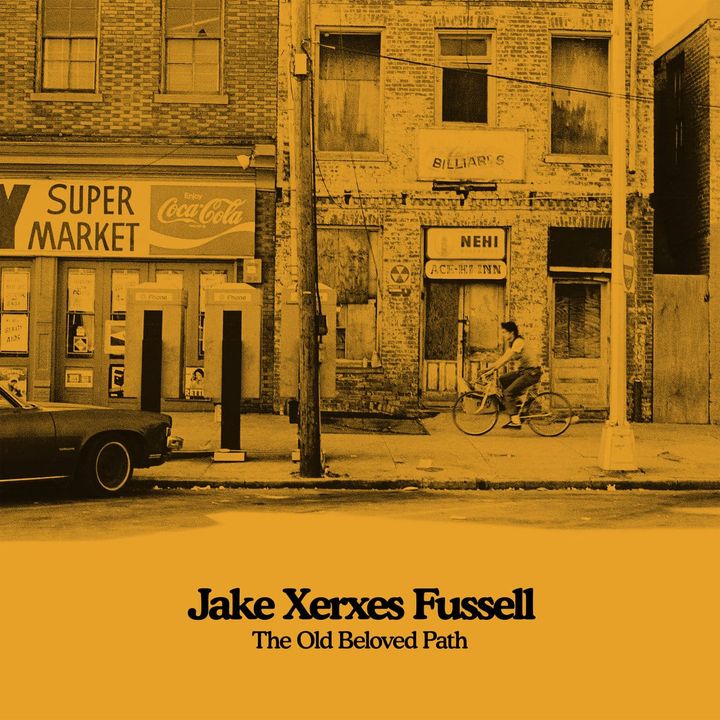
ALBUM REVIEW: With 'The Old Beloved Path,' Jake Xerses Fussell Returns to a Minimalist Approach
While Jake Xerses Fussell occasionally slips original tracks into his recordings, he mostly adapts traditional songs and instrumentals, giving obscure compositions a contemporary treatment. This is the case with his sixth album, The Old Beloved Path, as well. The significant shift from recent work is that he largely returns to
Comments ()