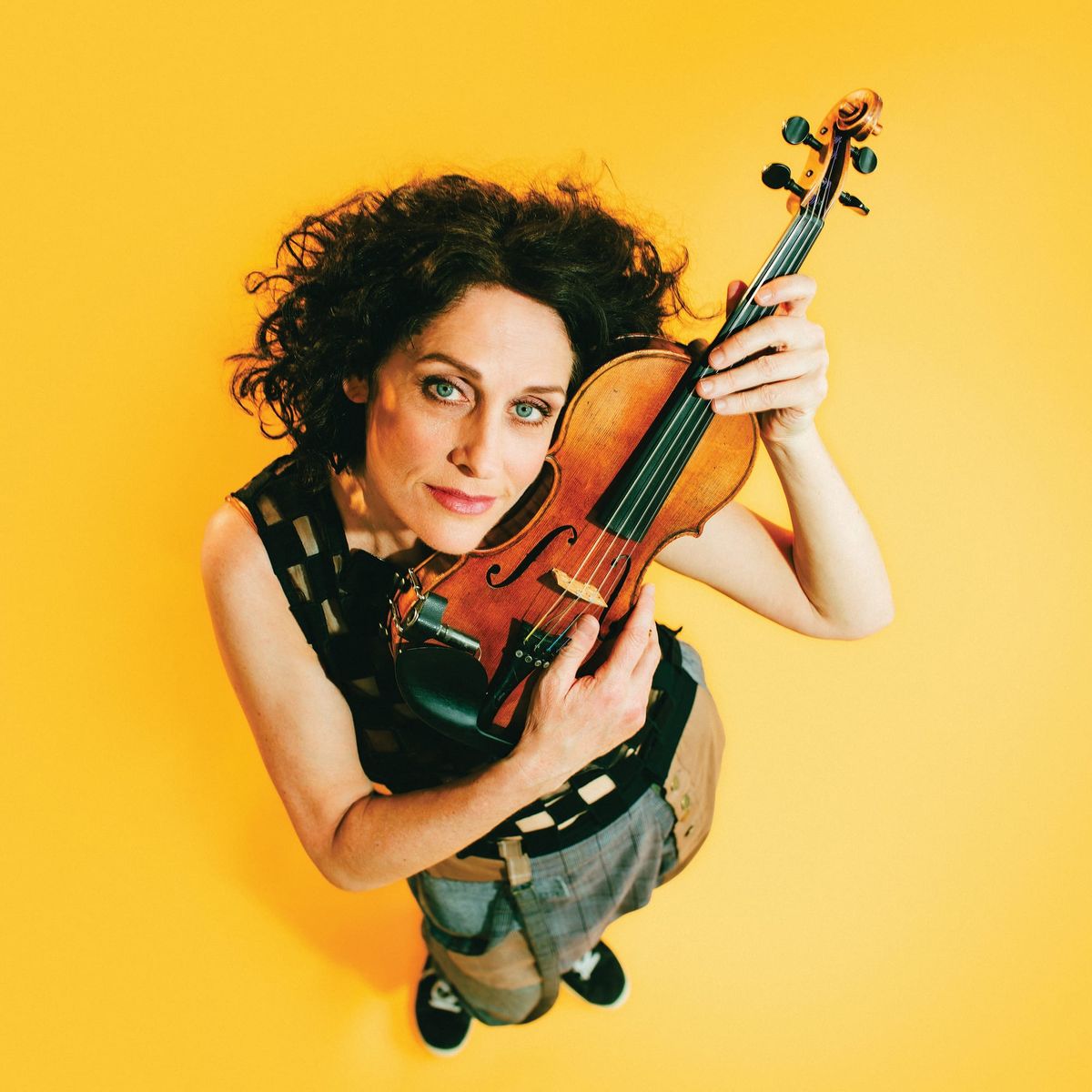
There is a distinct comfort in the tactile world of 2026 — a cultural pivot where physical media like compact discs and vinyl have surged back because humans are collectively starving for expanded permanence. This includes a desire for art that can be held, music with weight. Enter Jenny Scheinman’s stunning new album, One Hundred Years Today, a masterclass in temporal blurring that feels simultaneously ancient and brand new. Dropping the needle upon this record (or spinning the silver disc, as it were) is like stepping across a threshold into another era entirely.
The album’s conceptual architecture is rooted in personal excavation. Scheinman discovered a precious box of postcards sent to her grandmother, chronicling a decade of borderless travel, art, and survival across Europe, the Middle East, and North Africa between 1926 and 1937. Rather than treating these artifacts as dusty museum pieces, Scheinman used them as a blueprint, effectively soundtracking the intimate dialogues of those historical missives into a seamless, cinematic score. Bringing the narrative full-circle, she composed much of the record on her grandmother’s very own piano — the ultimate bow-tying element that connects the physical instrument to the handwritten words that birthed the project.
The resulting music occupies a fascinating space: it feels entirely "from a time" — steeped in the shadow of the interwar period and the resilient underground art scenes of a century ago — yet it throbs with an urgent, modern heartbeat that mirrors our own contemporary anxieties. Scheinman famously called this style "end-of-times jazz," a genre descriptor that feels remarkably apt for a world teetering on cyclical edges.