Somehow the pacifist child grew up loving pro wrestling, and the 12-inch black and white television didn't even enter the house until the summer of the Watergate hearings, when I had the chainsaw accident. This can now be rationalized as the careful study of how character can quickly be established, how stories can be told through action, how rhetoric can be used to rile up a crowd. Sure. But it was fun, and I saw my first match Christmas Eve of 1976, Jimmy “Superfly” Snuka v. Playboy Buddy Rose in a cage match, same arena where I'd seen Jethro Tull that summer.
In the glory days, Seattle TV offered the circuit in Vancouver, BC, and Dean Silverstone's smaller local operation, but Dean's heart was really in seven-inch singles, so he opened a record store called Golden Oldies, down the street from my college apartment, where I bought my first Elmore James sides, and then a couple more. Frank Bonnema was the announcer for Portland Championship Wrestling, until he had a heart attack in 1982. When the action in the ring spun fabulously out of control, when multiple heels were having their way with some hapless and beloved face, Bonnema would unleash a signature phrase: “Do something, Mr. Referee, even if it's wrong.”
* * *
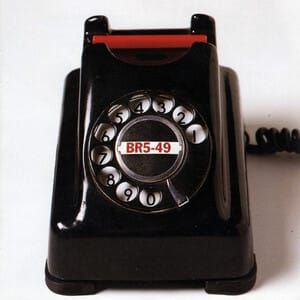
“Even If It's Wrong” is the opening track on BR5-49's self-titled, first studio album, released by Arista in 1996, not long after No Depression began publishing. BR5-49 were the very best kind of bar band, six guys crammed on a small stage who collectively knew their way through the deep cuts of rockabilly and honky tonk (Don Herron went on to play with Dylan), and wrote well enough to blend their own songs into the set. Rather more than a bar band, then. Nashville has standards.
BR5-49 held court at Robert's Western Wear, a boot shop/watering hole on Nashville's Lower Broad, where they made a glorious noise and cut their first live album. There were stories, the country star who had to go to the cash machine when he challenged them to play as many Hank Williams songs as they knew, the night The New York Times showed up, the crowds they drew. All this at the apex of Garth Brooks, Shania Twain, and country music's paradigm shift away from its old, working-class audience into the laps of soccer moms everywhere. (At the same time pro wrestling went for their husbands.)