Editor's Note: Erin Osmon has been awarded one of two No Depression Criticism Fellowships to write in-depth album reviews on roots music's most important albums. Read her previous review of Waylon Payne's Wayward here, and stay tuned for more from both No Depression Criticism Fellows all year long.
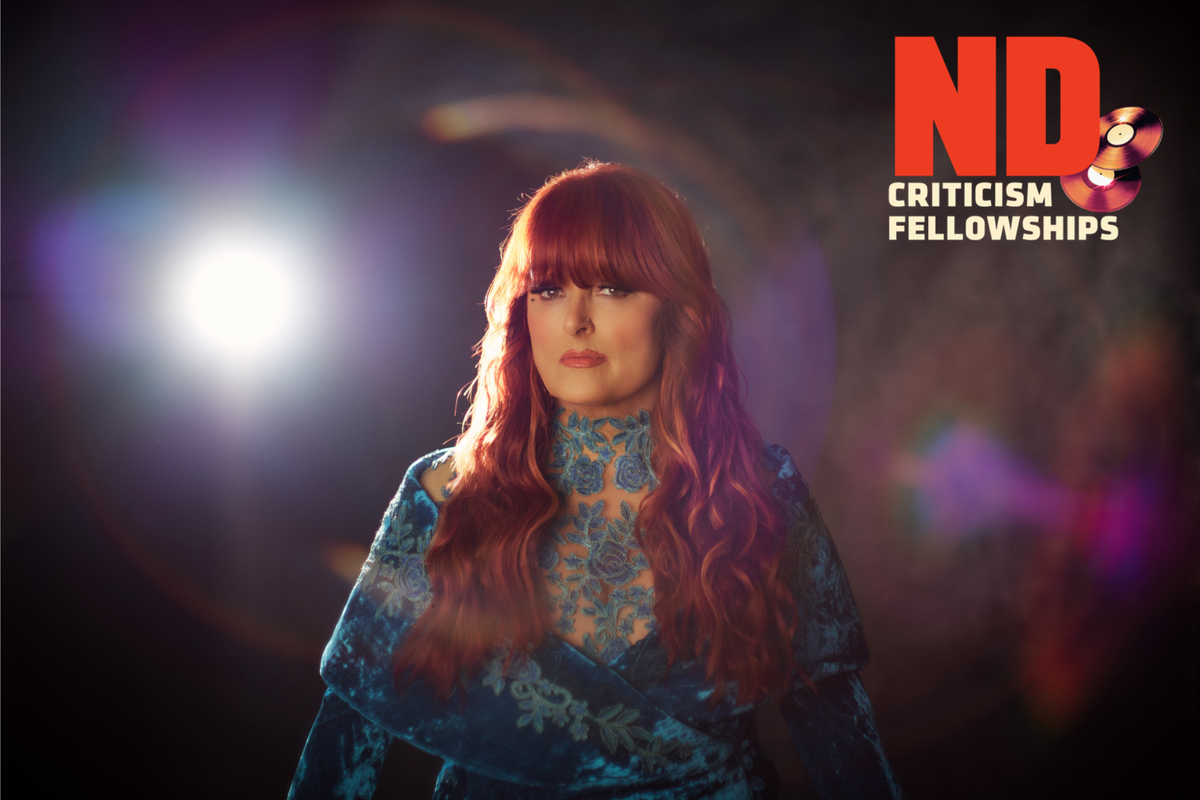
No more secrets. This was Wynonna Judd’s mantra as she was writing, recording, and promoting her new studio album, The Hard Truth. It applied to the details of her personal life, which are poignantly presented in the album’s lyrics — alluding to the biological father she never knew, as well as the complicated relationship with her late mother and former bandmate Naomi Judd. It also applied to the quality of the album’s songs, which are largely free from the usual-suspect writers and glossy production of mainstream country music.
Instead, for the first time in her storied career, Wynonna has taken control of her musical narrative. She is credited as a co-writer on nearly every track. With her husband and confidant Cactus Moser as her producer, the album’s sonic qualities and instrumentation mirror the honesty of its lyrics — Appalachian, raw, and soulful. This is remarkable because Wynonna’s career was forged by controlling outside forces (namely, her mother and Music Row) and her life since then has been marred by the trauma that child performers quite often carry into adulthood.
Born Christina Claire Ciminella in Ashland, Kentucky, a small town situated on the south bank of the Ohio River northeast of Lexington, Wynonna adopted her stage name as a teenager. It was inspired by the song “(Get Your Kicks on) Route 66” and the Arizona town it namechecks, Winona. This was just after her mother changed her name from Diana to Naomi. After her mother divorced her first husband, Michael Ciminella, who was not Wynonna’s biological father, mother and daughter adopted the last name Judd, her mother’s maiden name.
Much of Wynonna’s life was constrained by a strict set of rules: Never defy her mother. Perform against all odds. Maintain a wholesome veneer. The reasons all of these things were incredibly difficult become obvious when learning more about the singer’s dysfunctional backstory. Naomi, Wynonna, and her sister, the actress Ashley Judd, have each published at least one autobiography with varying accounts. Tyler Mahan Coe’s Cocaine & Rhinestones podcast also offers a solid primer. The unthinkable stories of Wynonna’s life are too many to recount here, but it’s safe to say that her childhood was extremely difficult, as was her rise to fame — sort of like a character in a country song.
Today, Wynonna’s own daughter’s struggles with addiction and legal troubles have left them estranged. The singer endures as a living example that runaway success, wealth, and fame are no steadying forces, which makes the poetic, cogent personal survey that is The Hard Truth even more powerful. Such difficult and direct truth-telling may suggest a kind of long-held fury that is finally, cathartically unleashed, but The Hard Truth is less a burn-it-down tirade than a reflective and tender late-career meditation.