This Halloween marks the fourth anniversary of Patrick Haggerty’s passing. These anniversaries, of course, always bring up grief for someone who is so important and held dear by so many. But they’re also a time to remember all of the departed’s accomplishments.
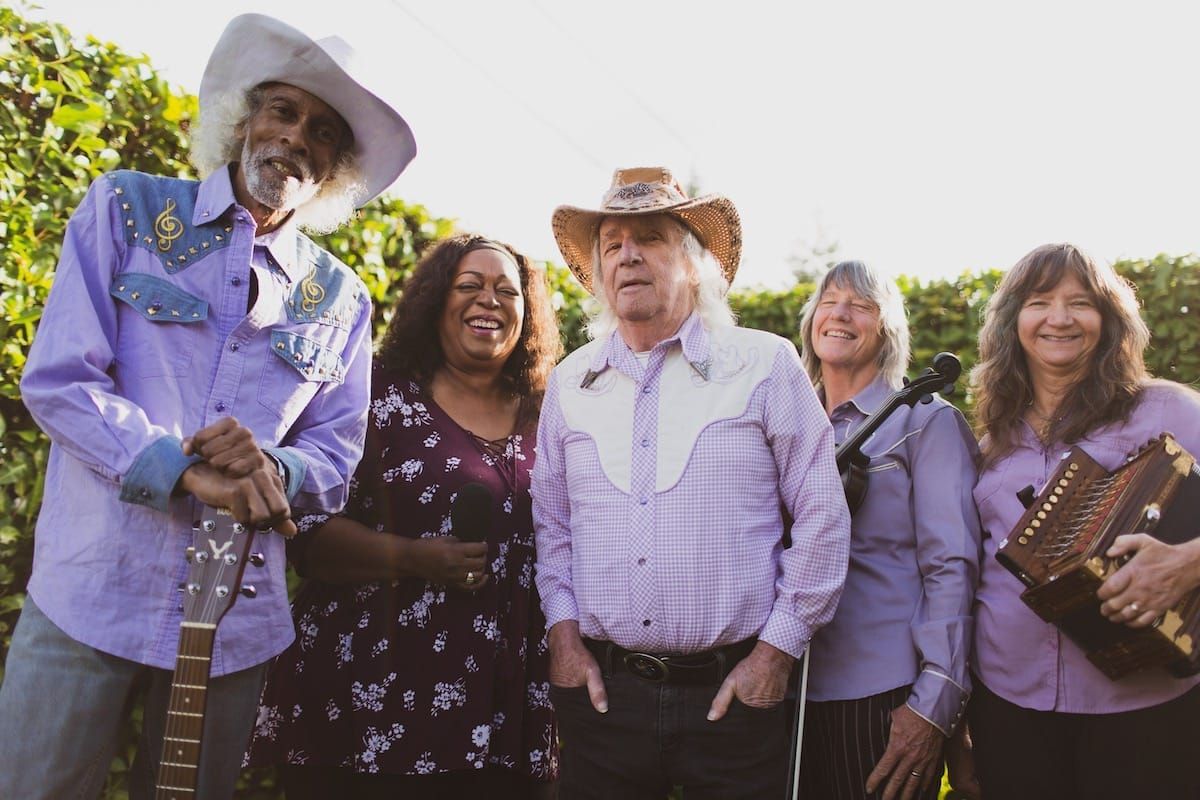
The last time I saw Haggerty was at a show in New York City on his Round Up tour, only a few months before he died. I could tell he was tired, after all, he was almost 80 and in the midst of a national tour. But that moment was also a celebration of the family he made possible by daring to commit queer country music to tape, and the family he fell into decades later, when his work could finally be appreciated.
Haggerty’s legacy is carried on by his many musical descendants, including Paisley Fields and Andrew Sa, whom I included in a column earlier this year. He embraced and nurtured fellowship with a wide array of musicians and was always an outspoken feminist, an anti-fascist, and a trans-inclusive, and anti-racist advocate. Haggerty released his seminal album Lavender Country in 1973, which is now widely accepted as the first queer country album, with almost no industry interest. Without commercial support, the project disbanded, though Haggerty continued to play music in between his dazzling array of political organizing activities.