In 1998, the brutal murder of Matthew Shepard, a 21-year-old gay college student in Wyoming, shocked the nation. That same year, Rita Hester, a 34-year-old Black transgender woman, was murdered in Massachusetts. Their deaths reverberated across the United States, exposing the violence and discrimination facing LGBTQ+ Americans.
Shepard's death became a rallying point for LGBTQ+ rights and hate-crime protections, while Hester's murder helped inspire the creation of Transgender Day of Remembrance. Their deaths underscored what was at stake for queer Americans living in a country still struggling to accept their right to live freely and openly. As Bill Clinton's administration gave way to George W. Bush, hard-won momentum collided with uncertainty over whether that progress would survive.
Art, entertainment, and popular culture are often lauded for reflecting the times. Around the dawn of the 21st century, queer characters were surrounded by tragedy, shrouded in secrecy, or reduced to sexualized caricatures.Then, through the festival circuit in late 2000 and into theaters in 2001, came Big Eden.
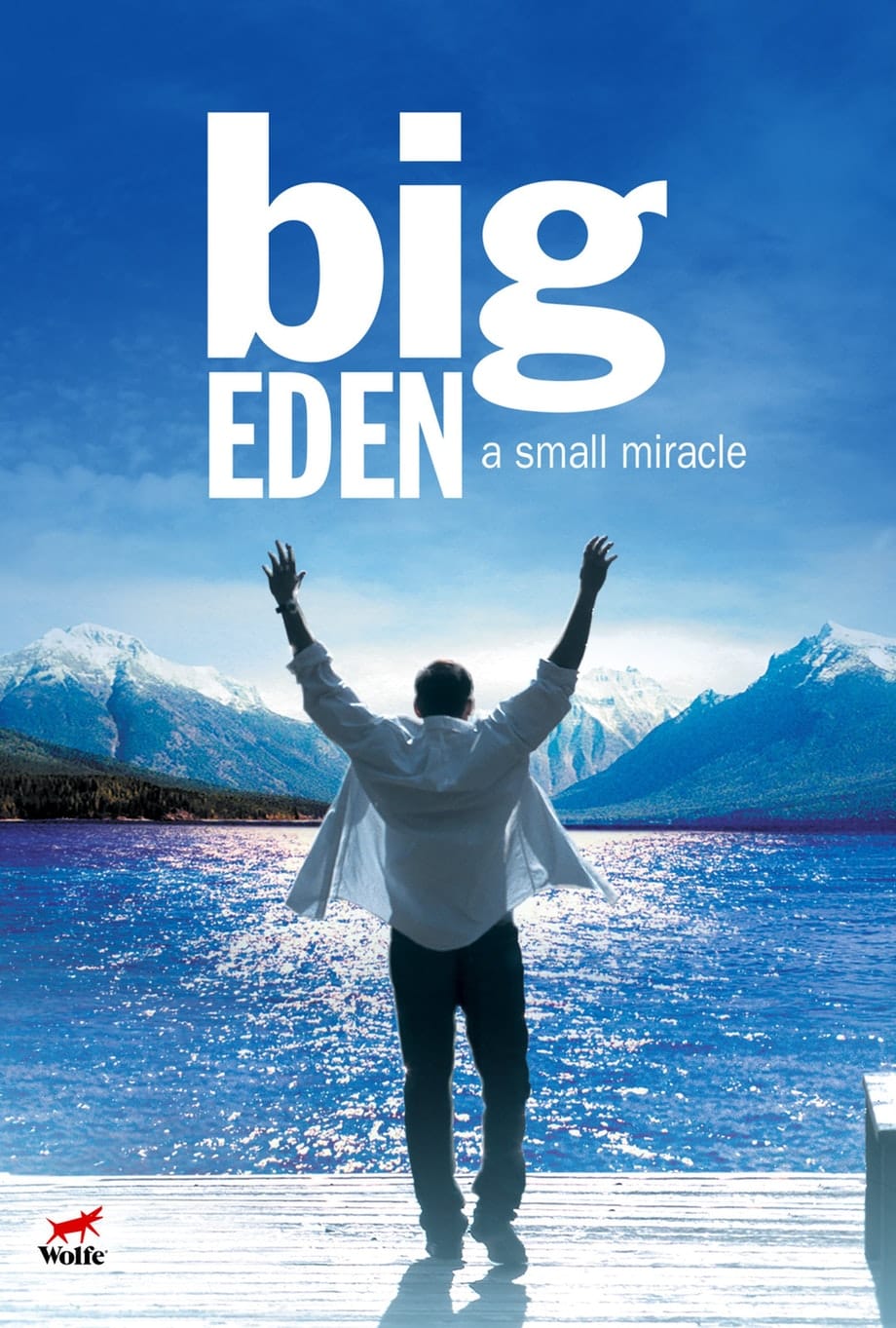
Written and directed by Thomas Bezucha, who went on to make the holiday staple The Family Stone in 2005, Big Eden is a romantic drama that follows Henry, a gay artist as he returns from New York City home to rural Montana to care for his ailing grandfather, Sam. Henry himself caught between lingering feelings for Dean, a man from his youth, and Pike, the painfully shy local shopkeeper quietly falling in love with him. The radical kicker is that nobody blinks an eye, clutches their pearls, or reaches for a pitchfork because these men are gay. Instead, the community gathers around them with a gentle urgency to know themselves and reach for happiness.
Some reviewers questioned the plausibility of a rural Western community seemingly untouched by homophobia. Even lauded film critic Roger Ebert invoked Shepard, whose murder in neighboring Wyoming remained painfully recent, citing in his review that Bezucha’s Montana was “some kind of movie fantasy world.”
Reflecting on that criticism upon the 25th anniversary of the film, Bezucha turns the argument on its head. “Matthew Shepard is exactly why I set it where I did,” he says. “People were eager to school me on my naivete, and I was saying, ‘No, I set it there to challenge your ideas of what might happen there.’”
Bezucha’s thesis was not a red-hot act of rebellion, but an inviting one. He removed the villain altogether: There was no homophobic parent or town council of cowboys attempting to rustle these gentlemen out of town. Instead, everyone pitches in to push them closer together. As Bezucha shares, “The only homophobia in the movie is Henry’s.”
By removing those external obstacles, Big Eden refuses to make queerness the problem. Instead, it confronts something more universal — the vulnerability required to be seen and reach for the extended hand when needed. Upon its arrival and now, 25 years later, the film offers the same quiet antidote. Love, in fact, is always the radical answer.